
Guava's $12.5M Seed Bets on One Voice Stack—ASR, LLM, and TTS Under the Same Runtime—for Calls That Have to Be Right
Los Angeles voice platform Guava closed a $12.5 million seed led by Acrew Capital, with Flourish, WillowTree, Clocktower, and Commerce Ventures. Its Daytona model, launched in September, already runs tens of thousands of enterprise calls a day on a stack rooted in Gridspace's decade of regulated call-center models.
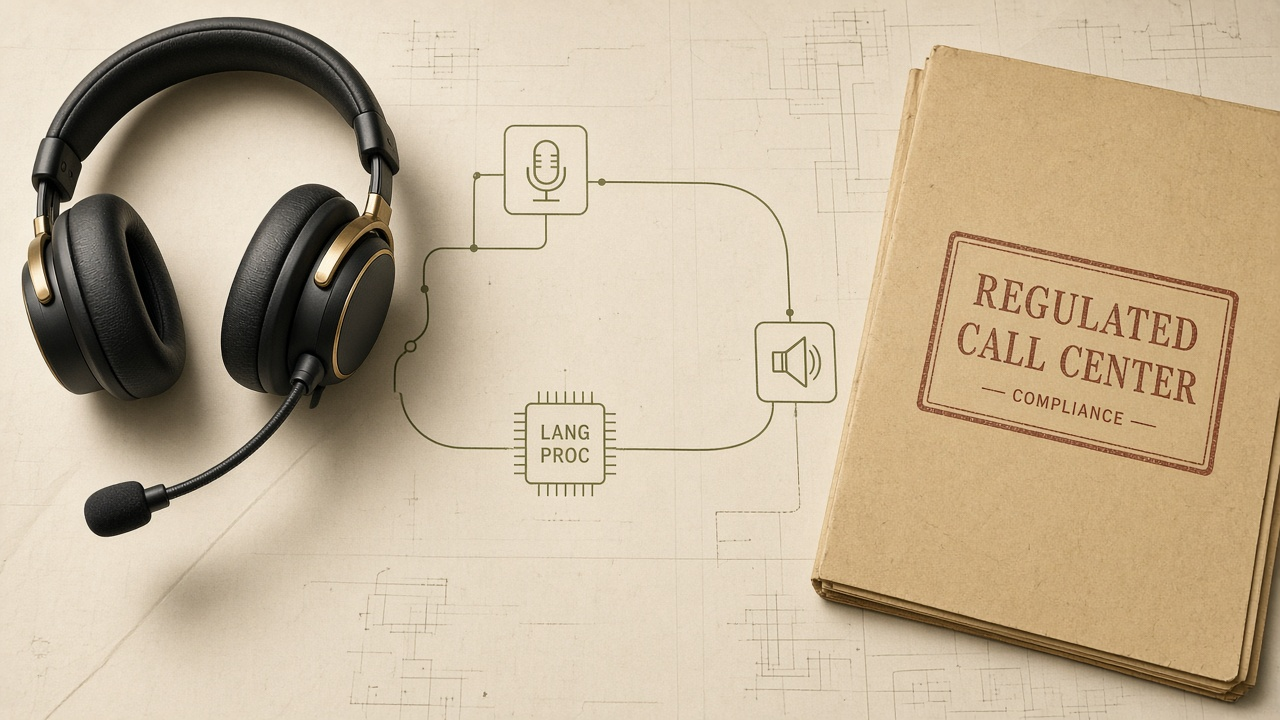
Guava, a Los Angeles developer platform for enterprise voice agents, has raised $12.5 million in seed financing led by Acrew Capital to push a full-stack voice runtime into regulated production calls. Flourish Ventures, WillowTree Ventures, Clocktower Ventures, and pre-seed investor Commerce Ventures joined. The company announcement and Flourish’s November 3, 2026 investment note both put the capital toward continued model and product work and a go-to-market team aimed at enterprises and business process outsourcers.
Guava’s commercial bet is blunt: most voice agents are stitched from separate speech recognition, language, and synthesis vendors, then steered with prompts. Guava trains and serves ASR, language models, and TTS in one stack so one team owns latency, failure modes, and release cadence from the first caller word to the last. Developers integrate through Python, TypeScript, or Claude Code, encoding business rules in code rather than only in prompt text. Guava says it takes accountability for the voice experience; the customer owns intent and the knowledge bases that decide what the agent may know and do.
Daytona and the Gridspace lineage
The first public model, Daytona, launched in September 2026. The company says it already supports more than a dozen enterprise customers and powers tens of thousands of calls per day. Guava reports Daytona ranking in the top ten—often first or second—on Coval’s word error rate benchmark. Flourish’s note adds that Daytona scored first in a recent Coval WER run and that customers are signing multi-year contracts around committed conversation volume. Free-tier developers can stand up a working agent in under five minutes; enterprise kickoffs are described as reaching a first live regulated call within about 14 days.
The technical core comes from Gridspace, a voice lab that Guava says trained models on more than 10 billion minutes of live conversations in regulated call centers. Co-founders Anthony Scodary and Nico Benitez built that lab; Scodary’s background includes NASA JPL work, Benitez’s includes Stanford CS with streaming and NLP experience. Omri Dahan, formerly chief revenue officer at Marqeta from early revenue through public filing and a prior Gridspace investor, joined as CEO co-founder to commercialize the stack. Mike Piechna is listed among co-founders. Acrew founding partner Lauren Kolodny’s quote in the announcement ties Dahan’s operating history to the lab’s long, “opinionated” voice research.
Why regulated verticals care about one stack
Flourish frames the product for healthcare intake, insurance claims, bank KYC, collections, and member services—workflows where a delayed or wrong answer creates operational and compliance risk. An integrated runtime, in Guava’s telling, lets the company tune listening, reasoning, and speaking together and lets developers version, test, and review rules the way they would other production code. Scodary’s quoted roadmap for the new capital includes edge-device applications, on-prem installs, and full-duplex interaction where the agent listens and speaks concurrently. Market context in both the company release and Flourish note cites Meticulous Research projecting the global voice AI agents market from $5.1 billion in 2026 to $43.8 billion by 2036—third-party sizing Guava is using as backdrop, not a Guava measurement.
Daytona’s public evidence is one WER placement
The seed announcement does not publish independent latency percentiles, hallucination rates, or red-team results for Daytona beyond the Coval WER placement Guava and Flourish cite. Parameter counts, training mixture details, and license terms for Daytona weights are not in the funding materials. Competitive positioning against other full-duplex and speech-to-speech stacks is implied rather than benchmarked head-to-head in the release. Guava says it will sell first to enterprises and BPOs that have already turned down stitched-together voice agents as too unreliable for regulated calls. Until Daytona shows latency, error and safety figures from outside testers, buyers in those sectors will be judging it on pilot calls and the Coval transcription ranking alone.
- #Guava
- #Voice Agents
- #Daytona
- #Seed Funding
- #Gridspace

Author
Raj M
Contributor
AI Systems Architect is a seasoned technology leader with over 15 years of experience in the IT industry working with Fortune 500 companies. With a solid foundation in multi-agent systems, open-source LLM infrastructure, and enterprise deployment, he excels at building scalable production-grade AI platforms.