
Meta Opens Muse to ESP32 Boards and Homelab Linux Gadgets
On October 2, 2026, Meta open-sourced Apache-2.0 Muse Gadget SDKs for ESP32 and Linux so builders can wire Muse to displays, sensors, and local HTTP APIs—plus a limited Muse Home Link hardware batch for U.S. subscribers.
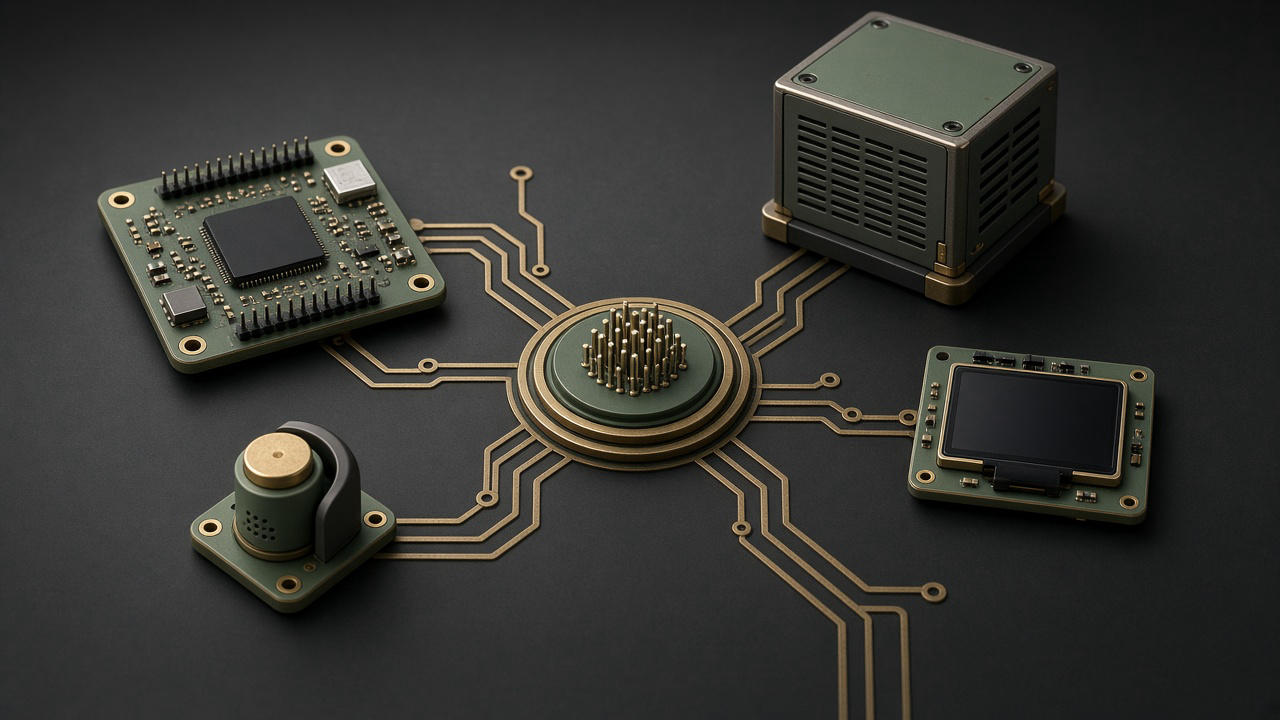
On October 2, 2026, Meta opened the Muse Gadget program—Apache-2.0 firmware and device SDKs that let builders turn off-the-shelf ESP32 boards or spare Linux boxes into peripherals for the Muse AI agent, alongside a limited Muse Home Link USB gadget for U.S. subscribers. The primary landing page at gadgets.muse.ai and the facebookincubator/muse-gadget-sdk repository treat this as a hacker-facing surface: pair a tokened device through the Muse app’s Developer mode, then expose screens, buttons, sensors, actuators, or any local HTTP API Muse can call.
ESP32 and Linux SDK layout
The software split is practical. The ESP32 Device SDK targets common microcontroller boards for image display, audio in/out, and sensor wiring. The Linux Device SDK aims at Raspberry Pi–class machines and homelab hosts where Muse can run sysadmin chores or talk to Home Assistant–style stacks through custom commands. Each tree ships a human README plus an AGENTS.md so coding agents—including Muse Code—can navigate the project without reverse-engineering the layout. Tokens come from the Muse Gadgets settings page; pairing happens in the mobile app under Settings → Devices once Developer mode is on, with discovered devices prefixed MuseGadget.
Licensing is Apache 2.0 for Meta’s SDK and firmware, with explicit carve-outs called out in the repo README: minimp3 remains CC0-1.0, Adafruit-derived pixel font code keeps BSD-2-Clause, and build-time ESP-IDF, LVGL, and SDL dependencies stay under their upstream terms. The Jollybot avatar assets are outside the Apache grant. That paperwork matters for anyone shipping a derivative board or redistributing a fork.
Home Link as the official ESP32-C5 bridge
Hardware productization sits beside the DIY path. Muse Home Link is Meta’s own ESP32-C5 USB-C (and USB-A) gadget: 240 MHz RISC-V, 8 MB PSRAM, 8 MB flash, Wi-Fi 6 on 2.4/5 GHz, LED status, and a 35 × 42 × 10 mm envelope. Setup is Bluetooth LE pairing into a chosen Wi-Fi network so Muse can reach LAN devices. The Home Link page states the device runs official firmware only and cannot be reflashed, while its firmware lineage is based on the open ESP32 SDK—builders get the reference design in source, not a reflashable Meta unit. Availability is constrained: free with an active Muse subscription in the United States only, one per subscriber, October shipping, first come first served. Eligibility and ship timing should be taken from Meta’s Home Link page rather than secondary roundups—U.S. Muse subscription, one unit per subscriber, October first-come fulfillment.
Skills turn the radio link into actions. Meta points builders at community GitHub skills for familiar living-room gear—Philips Hue, Sonos, Apple TV, Google Nest speakers, Samsung TVs—and invites contributions for new devices. The same page warns that community skills can change or break and must not be used for safety-critical, emergency, or medical control. That is the product boundary: Muse Gadgets is an open experiment surface for agent-to-hardware I/O, not a certified home-automation controller.
Community skills and safety bounds
Compared with sealed consumer AI speakers, the interesting move is the dual track—open SDKs for DIY boards plus a small official bridge that still documents its ESP32 roots. Developers who already prototype on ESP-IDF or keep a Pi on the LAN get a documented token/pairing path into Muse without waiting for a closed accessory SKU. Teams evaluating Muse for workshops or demos should still budget for subscription eligibility (especially for Home Link), review the Gadget SDK Terms before flashing production-adjacent devices, and sandbox any skill that can toggle real hardware.
For makers evaluating boards, the ESP32 path is the shortest loop: obtain a token, flash from the esp32 tree, enable Developer mode, and confirm a MuseGadget entry appears in Devices. The Linux path is better when the gadget needs shell access, package installs, or to proxy an existing Home Assistant instance rather than drive GPIO directly. In both cases Meta’s “as-is, without warranty” framing is literal—brownouts and bricked boards are listed as expected side effects of tinkering, so treat workshop hardware as disposable until your pairing and skill flow is boring.
Enterprise readers should separate the open SDK story from Muse product availability. The Agent peripherals work only where Muse itself is reachable; Home Link’s U.S.-subscriber constraint and one-per-account cap make it a demand-test accessory, not a global SKU. Forking the Apache SDK to talk to a different agent runtime is legally clearer than expecting Meta to ship Home Link outside the stated eligibility window. Skills that call LAN printers or TVs also inherit whatever auth those devices expose—Muse is the orchestrator, not a new security boundary.
For Writeble’s products desk, Muse Gadgets is the October 2 signal that Meta is treating agent peripherals as an open Apache stack rather than only as closed accessories—ESP32 and Linux first, limited Home Link hardware as the optional on-ramp.
- #Muse
- #Meta
- #ESP32
- #Open Source
- #AI Hardware

Author
Raj M
Contributor
AI Systems Architect is a seasoned technology leader with over 15 years of experience in the IT industry working with Fortune 500 companies. With a solid foundation in multi-agent systems, open-source LLM infrastructure, and enterprise deployment, he excels at building scalable production-grade AI platforms.