
Gemini 3.8 Live Avatar Streams Lip-Synced Faces Across 97 Languages
On September 24, 2026, Google introduced Gemini 3.8 Live with Live Avatar in Gemini Enterprise—near real-time speech-to-speech dialogue paired with lip-synced streaming video, multilingual across 97 languages and watermarked with SynthID.
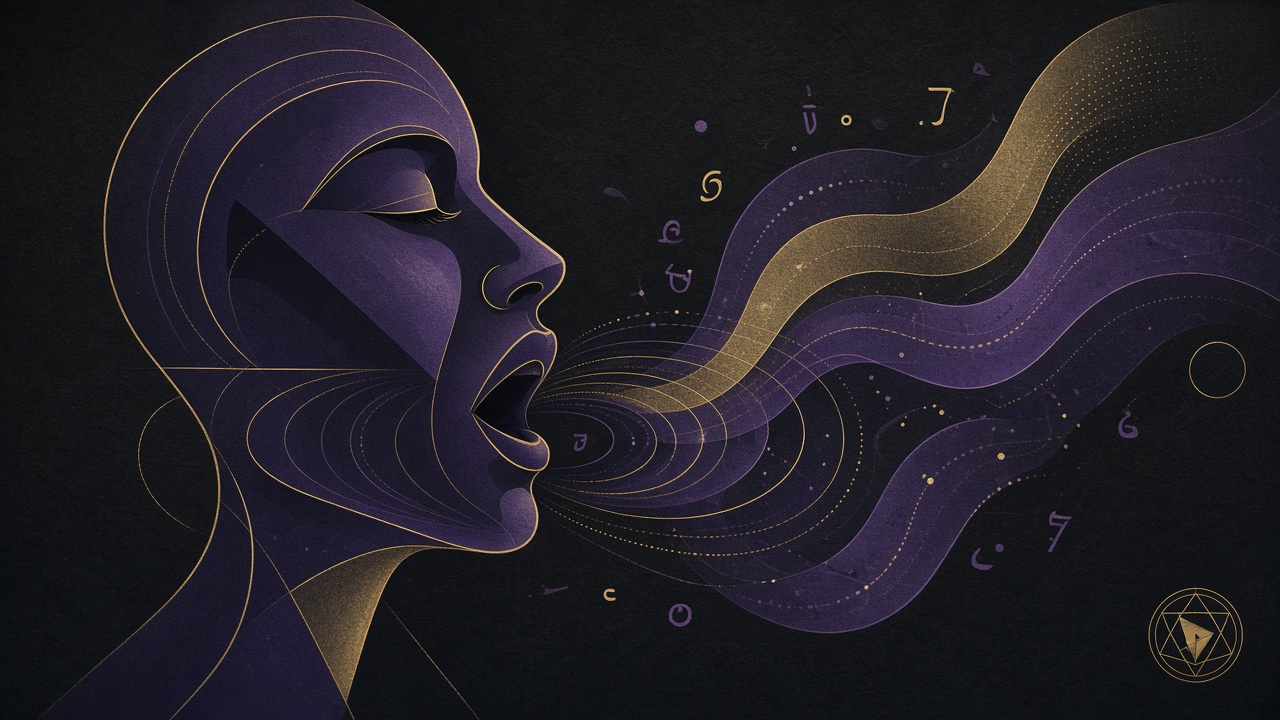
Google announced Gemini 3.8 Live with Live Avatar on September 24, 2026, pairing its native live dialogue models with near real-time streaming video so enterprise agents can listen, see, and reply through a dynamic visual persona. The feature is available in Gemini Enterprise starting the same day. Building on the prior week’s Gemini 3.8 Live launch, Live Avatar adds precise lip-sync, natural expressions, and fluid turn-taking intended for customer service, interactive walkthroughs, and other brand-facing conversational surfaces—not a separate offline renderer bolted onto text chat.
The product bet is that conversation is already multimodal. Live Avatar processes visual and audio inputs together and returns expressive audio plus video, so an agent can react to what it sees and hears rather than narrating into a static picture. Google highlights asynchronous tool execution with continuous presence: the avatar can trigger tool calls and fetch data in the background while dialogue continues, illustrated with a hotel check-in flow that keeps talking while tools run. That design targets the awkward pause pattern common in voice agents that freeze the mouth track until a CRM or booking API returns.
Language coverage is a first-class claim. Live Avatar includes native multilingual speech-to-speech synchronization and, per Google’s post, can transition across 97 languages while adapting lip-sync and expressions without degrading video fidelity or introducing visual drift. Enterprises that already operate multilingual voice lines get a single live stack rather than separate avatar pipelines per locale. Preset avatars cover a range of looks and voices; organizations can also generate a custom animated avatar from a high-quality reference image that preserves likeness and brand styling. Custom avatar creation is currently limited to enterprise allowlisting, so most teams will start from the preset library until access expands.
Trust controls are called out alongside the demo clips. All AI-generated Live Avatar output is watermarked with SynthID, woven into audio and video so the content remains detectable. Google points readers to the model card for the broader safety and responsible-deployment approach. That matters for customer-facing deployments where deepfake-adjacent presence is both the product value and the abuse surface: watermarking does not stop misuse by itself, but it gives enterprises and platforms a detection hook that pure silent video generation often lacks.
Operationally, Live Avatar is an enterprise API surface rather than a consumer Gemini app novelty. Developers are directed to Gemini Enterprise and the Live API documentation to enable the experience. Pricing is not enumerated as a simple flat fee in the September 24 post; enterprises should treat token and streaming costs as configuration- and usage-dependent and verify current meters in Google Cloud documentation before budgeting always-on avatar agents.
Limits are as important as the trailer. Near real-time is not a promise of broadcast-studio latency on every network. Custom personas require allowlisting. Tool-calling while speaking still depends on backend latency and how product designers handle partial answers when a tool fails. And a watermarked, lip-synced face increases persuasion risk—teams shipping support or sales avatars need human escalation paths and clear disclosure policies even when SynthID is present.
Google’s announcement materials stress character range as much as latency: Live Avatar is shown with multiple distinct looks, voices, and expressive styles rather than a single default face, which matters for enterprises that need different personas for support, onboarding, and sales without rebuilding the dialogue stack. The same live session can take in camera and microphone context, then answer with coordinated audio and video—closing the gap between a transcript-only voice bot and a video call that expects eye contact and mouth motion.
Gemini 3.8 Live Avatar is the late-September enterprise move that treats a talking face as part of the live speech stack—tool-aware and watermarked—rather than a decorative overlay after the transcript is done.
- #Voice AI
- #Gemini
- #Conversational AI

Author
Raj M
Contributor
AI Systems Architect is a seasoned technology leader with over 15 years of experience in the IT industry working with Fortune 500 companies. With a solid foundation in multi-agent systems, open-source LLM infrastructure, and enterprise deployment, he excels at building scalable production-grade AI platforms.