
The Washington Post Deploys Multi-Agent Network for Internal Analytics Operations
The Washington Post deployed an internal multi-agent architecture to automate organizational data analytics and reporting tasks. The implementation uses ChatGPT and OpenAI API endpoints configured with permission logic to execute cross-dataset queries across subscription, advertising, and content databases. The network operates under a policy framework requiring explicit human sign-off for actions that modify underlying datasets.
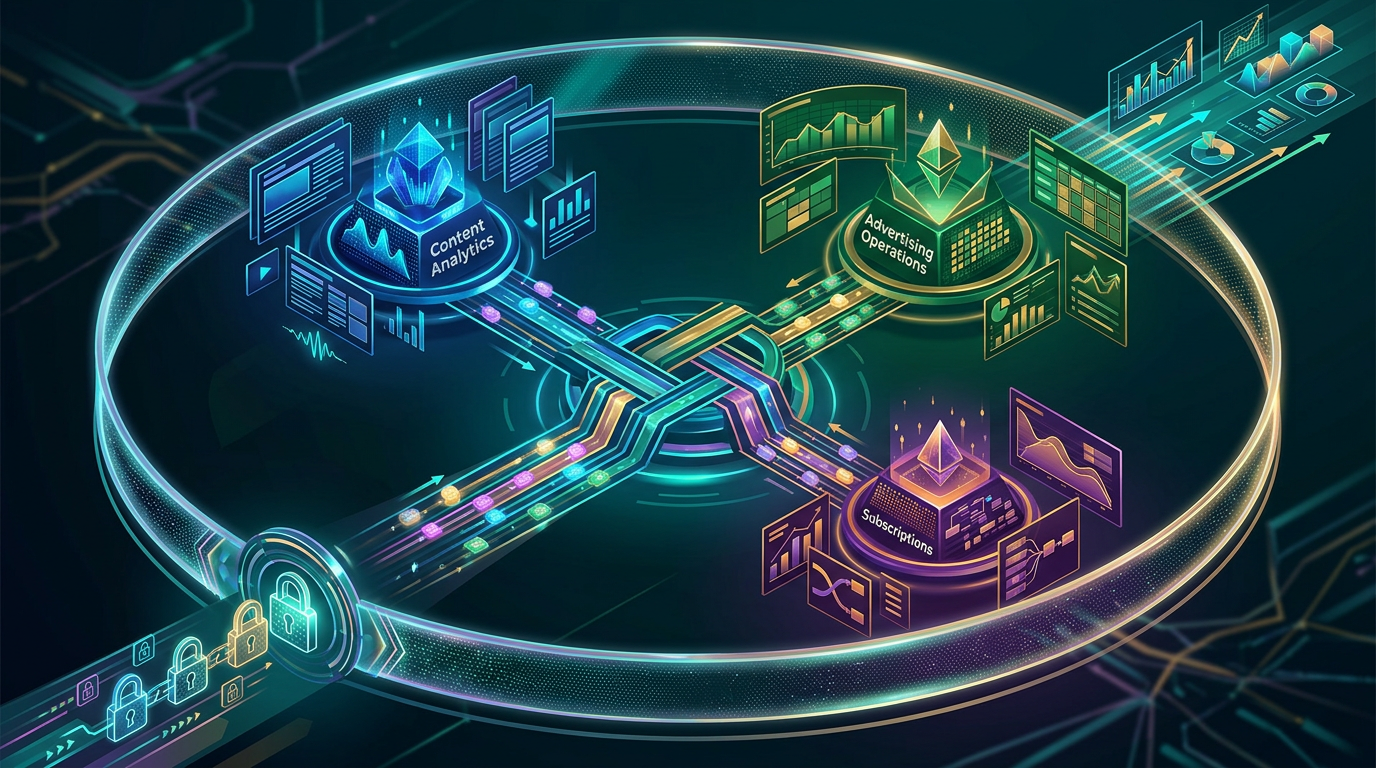
The Washington Post has deployed an internal multi-agent architecture designed to automate business analytics and reporting workflows across its corporate operations. Built using ChatGPT and OpenAI application programming interface (API) endpoints, the system coordinates queries across previously siloed datasets covering digital subscriptions, advertising revenue, and editorial content performance.
Coordinating Specialized Agents Across Content and Business Datasets
In a standard enterprise media environment, operational data is distributed across separate repositories. Reader engagement metrics, active subscription accounts, and digital advertising revenue are maintained in distinct databases managed by different teams. Answering cross-departmental questions—such as evaluating how coverage in a specific section correlates with subscriber acquisition or advertising inventory—historically required data analysts to manually extract tables from each source, write custom join scripts, and standardize the metrics.
To streamline this process, The Washington Post built a multi-agent framework that routes queries through domain-specific assistants rather than relying on a single, monolithic model.
Under this architecture, individual agents are assigned to specific operational areas:
- Content Agent: Configured to query audience engagement metrics, publication timeframes, and section-level reader activity using governed content datasets.
- Advertising Agent: Programmed to navigate advertising campaign performance, pricing models, and inventory data to support time-sensitive commercial inquiries.
- Subscriptions Agent: Structured to process subscriber acquisition metrics, retention figures, and billing status.
When an employee submits an inquiry, the multi-agent system processes the request through a structured operational workflow:
- The coordinating layer evaluates the natural-language question and identifies the relevant domains.
- Data retrieval tasks are delegated to the appropriate specialized agents.
- Each agent references internal documentation, applies canonical metric definitions, and queries its designated aggregated tables.
- The system aggregates the extracted data points and returns a consolidated analytics summary to the user.
Permission Logic and Scoped Access Controls
Connecting language models directly to internal data repositories requires safeguards against unauthorized data access and metric misuse. Unrestricted access could expose sensitive financial numbers, commercial agreements, or customer records across organizational tiers.
To maintain internal data boundaries, The Washington Post integrated permission logic directly into the API calls connecting the agents to internal data infrastructure. The permission layer acts as an automated gatekeeper between the model interface and the underlying datasets.
Before an agent executes a data retrieval task, the system evaluates the requesting employee’s organizational credentials against predefined access control lists. If an inquiry requires information beyond the user’s authorized clearance level, the agent restricts the query scope exclusively to approved metrics or denies the retrieval request, enforcing consistent security policies across all automated reporting tasks.
- #AI Agents

Author
Raman V
Contributor
Enterprise Solutions Leader is a transformation expert with over 15 years of experience in the IT industry working with Fortune 500 companies. With a solid foundation in large-scale application development and enterprise modernization, he excels at architecting robust, scalable platforms that drive operational efficiency.